 Willow Labs AI
Anxiety
Anxiety isn’t a flaw or a moral failure — it’s your nervous system doing what it was built to do, just at the wrong volume. These articles cover what anxiety actually is (Beck, Burns, Bourne), how to spot the loops, and the techniques that work in the moment and over weeks.
29 articles
Overthinking at Night: Why Your Brain Won't Shut Off
Lights out, and your brain starts its night shift. Why you keep overthinking at night and how to actually quiet it down.
High-Functioning Anxiety: Signs You're Coping but Not Okay
You look fine. You hit every deadline. Inside it's a different story. The signs of high-functioning anxiety and what to do about it.
Journaling for Mental Health: Prompts That Actually Help
Journaling for mental health works when you stop writing diary entries and start asking better questions. Real prompts for anxiety, low mood, and stuck decisions.
Grounding Techniques: 7 Fast Ways to Calm a Racing Mind
Seven grounding techniques to calm a racing mind in minutes. Use your senses, your breath, and cold water to pull yourself out of a spiral and back into the room.
How to Use a Worry Window to Contain Anxious Thoughts
A worry window is a set 15-20 minute slot each day where you allow yourself to worry on purpose, so it stops leaking into everything else.
Calendar Anxiety: Why a Full Schedule Makes You Dread Your Own Life
Calendar anxiety is the dread you feel looking at a packed schedule full of things you chose. Here's why it happens and how to ease the overwhelm.
The Physical Symptoms of Stress: How Chronic Pressure Shows Up in the Body
Stress isn't just in your head. It shows up in your jaw, your gut, your sleep, your skin. Here's how chronic pressure speaks through the body.
How to Do Box Breathing: A 4-Step Reset for an Anxious Moment
Box breathing is four equal counts: inhale 4, hold 4, exhale 4, hold 4. Here is how to use it to steady an anxious moment.
Doom Spending: Why Anxiety Makes You Buy Things You Don't Need
Doom spending is impulse buying driven by anxiety about the future. Here's the psychology behind it and how to break the buy-to-feel-better loop.
How to Do the Physiological Sigh: The Fastest Breath to Calm Down
The physiological sigh is a double inhale through the nose followed by a long exhale through the mouth. Here is exactly how to do it.
Atelophobia: The Fear of Imperfection That Quietly Runs Your Life
Atelophobia is the fear of imperfection that turns "good enough" into a threat. Here's how to spot it and loosen its grip.
What Is Exposure Therapy and Why Facing Fear Slowly Works
Exposure therapy treats fear by facing it in small, planned steps until your brain learns it was never as dangerous as it felt. Here's how it works.
CBT vs DBT: Which Approach Fits Which Problem?
The CBT vs DBT difference comes down to one thing: are your thoughts the problem, or are your emotions? Here's how to tell which therapy fits you.
Anxiety vs Depression: How to Tell Which One You're Dealing With
The core anxiety vs depression difference: anxiety is too much future-focused alarm, depression is too little of everything. Here is how to tell them apart.
Mental Health Apps for Students: What to Use When Therapy Is Out of Reach
Counselling waitlists are long and you are broke. Here is how to use mental health apps for students to actually get through the term.
What Is a Panic Disorder? Understanding Recurring Panic and the Fear of It
A panic disorder is recurring panic attacks plus a persistent fear of the next one. Here is what it is, why it loops, and how the cycle breaks.
Social Anxiety Explained: Why People Feel It and How to Ease Into Connection
Social anxiety is the fear of being judged, watched, or found lacking by other people. Here is why it happens and how to ease back into connection.
The Best Mental Health Apps in 2026 (and How to Choose)
The best mental health apps in 2026, sorted by need — anxiety, sleep, mood, AI chat, meditation — plus 3 criteria to judge any app.
Anxiety, Explained: Why It Happens and How to Calm It
How to calm anxiety: slow your exhale, name the threat, drop the safety behaviors. Here is what anxiety is, why your body does it, and what actually helps.
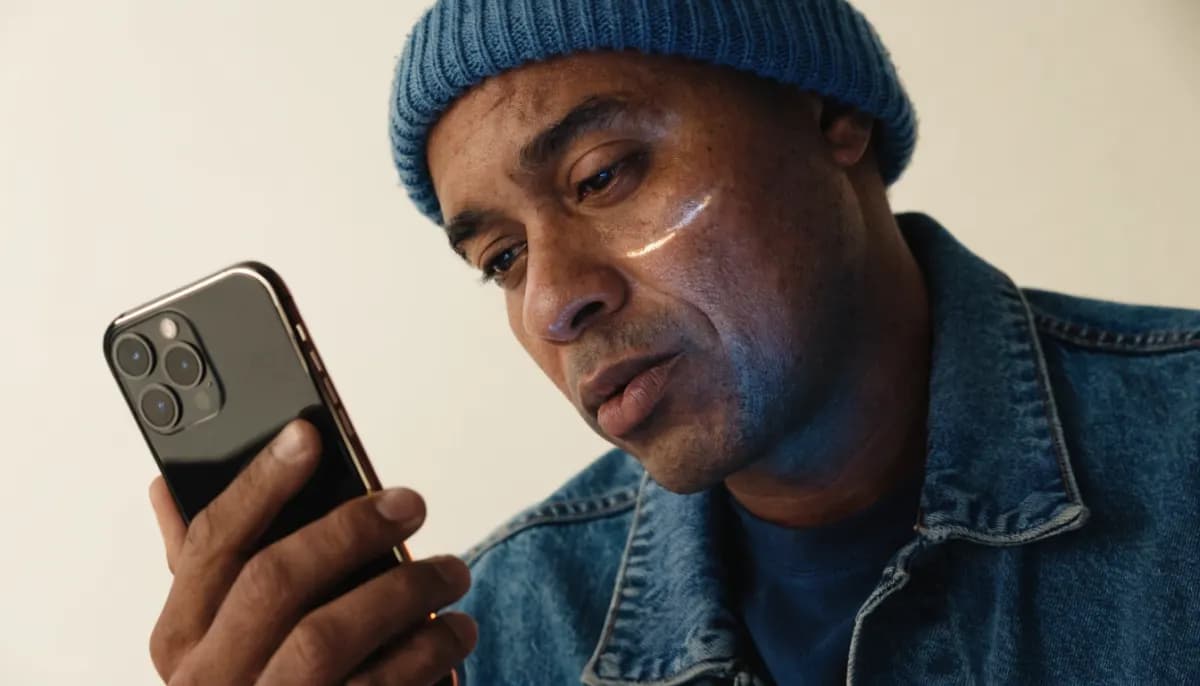
Cortisol Face and the Cocktail: Trend or Spiral?
You spot a puffy jaw in bad lighting and TikTok calls it “cortisol face.” Now there’s a cocktail to fix it. Trend or anxiety spiral? Here’s the sober read.

Floor Time, Somatic Shaking, and 5 Other TikTok Resets
Anxiety lives in your body before your thoughts. Use floor time, somatic shaking, and five quick resets to change state fast—and then get back to your life.
Parentification: Why You Can't Relax as an Adult
If you raised your parent, rest feels like a trap. Your body equates stillness with being on-call. Here's how to retrain the parts that won't clock out.
Glimmers: the opposite of triggers, actually useful
You catalog triggers like landmines. Try the opposite: tiny cues your body reads as safe. Glimmers are not woo; they're proof your system can settle.

The Anxious–Avoidant Trap: Why You Fall for Pull-Aways
They pull away, you lean in, and the chemistry feels electric. It isn’t magic. It’s a nervous system loop that mistakes anxiety for attraction.

Regulate Your Nervous System: 9 Daily Practices
Your nervous system doesn’t need grand gestures. It needs tiny, repeatable signals of safety. Here are 9 daily practices that teach your body to settle.

Anxious Attachment: 11 Signs and How to Heal
Anxious attachment isn’t neediness—it’s your body scanning for safety. Spot the 11 signs, break the loop, and build steadier love without shrinking.

Panic Attack vs Anxiety Attack: Stop One Fast
Panic is a body storm. Anxiety is a mind grind. Know which one you’re in and use a 5‑minute plan to stop it—cold face, long exhales, simple action.

8 ways to stop racing thoughts at night
It’s 2:13 a.m. Your brain is sprinting laps while your room is still. Here’s how to shut down the mental noise and let sleep happen, without forcing it.

Evening anxiety isn’t about evening
Your chest tightens at 9:37 p.m., not because the clock strikes doom, but because the day’s scaffolding drops. Night isn’t the problem. The edge is.
These articles are for self-understanding, not crisis. If you’re in active distress — Get help now →