 Willow Labs AI
Cortisol Face and the Cocktail: Trend or Spiral?
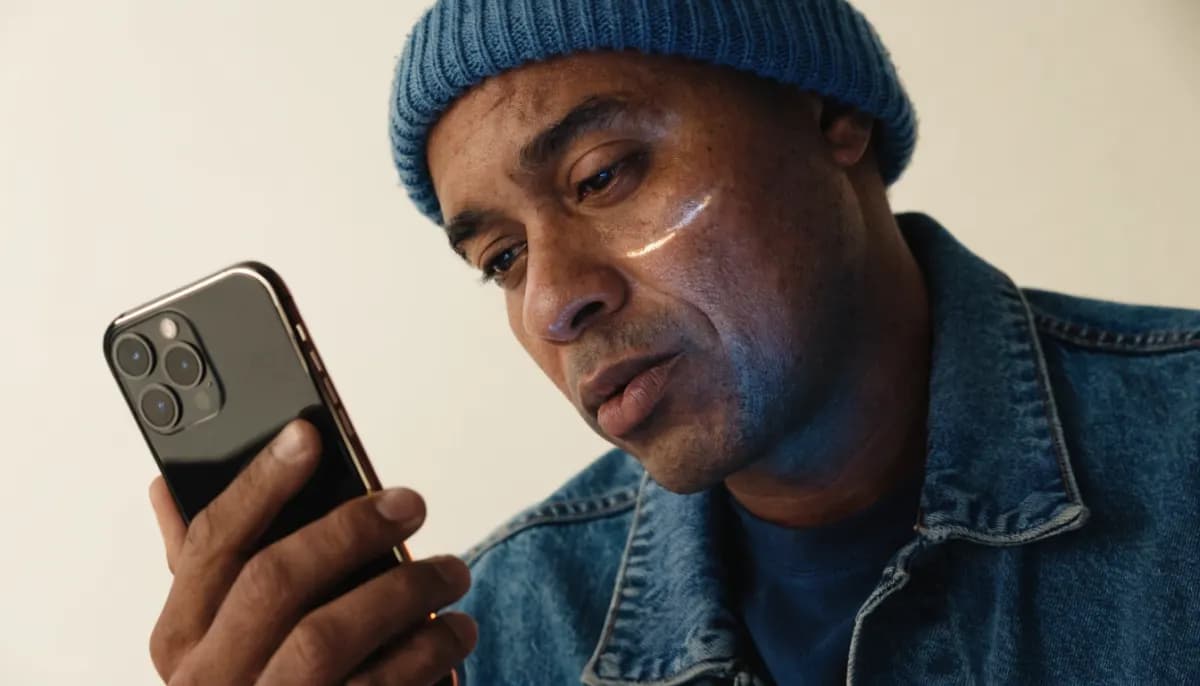
You spot a puffy jaw in bad lighting and TikTok calls it “cortisol face.” Now there’s a cocktail to fix it. Trend or anxiety spiral? Here’s the sober read.
You open the front camera at 3:07 p.m. Fluorescent lighting. Slack jaw. A shadow you swear wasn’t there last week. TikTok whispers: cortisol face. Someone in gym leggings holds up a citrus-salt potion and smiles.
What most people miss: you can’t diagnose your hormones from a selfie. You can build an anxiety ritual around your face and call it health.
what you think you see in your face
Cortisol is not evil. You get out of bed because cortisol rises in the morning. You survive sharp emails and missed trains because cortisol mobilises fuel. It surges, then it’s supposed to settle. That rhythm keeps you human.
Your face changes across the day for a stack of boring, real reasons:
- Sleep debt and late screens pull fluid into your lower face.
- Salt swings matter, but so does under-salting when you sweat and then chug water.
- Your period, histamine from spring air, one glass of wine, or crying on the shower floor will puff you.
- Chewing one side. Mouth breathing. Clenching. Allergies. A fan aimed at your face all night.
High, chronic stress can change fat distribution and fluid balance. That exists. But a front camera guessing game under office LEDs won’t tell you whether cortisol is high, low, spiky, or fine. You’re seeing lighting, angle, blood flow, and salivary glands from that salty ramen.
There’s also this: staring and judging your face raises your stress. Stress raises muscle tone in your neck and jaw, changes your breathing, shifts blood to your core, and now your skin looks duller. You read that dullness as a problem. The loop tightens.
the cocktail promise
The “adrenal cocktail” makes the rounds: orange juice, a pinch of salt, some potassium, maybe magnesium. There are supplement stacks too—sleep powders, adaptogens, phosphatidyl-this-and-that. The sales pitch is soothing: pour, sip, heal. A tidy fix, no hard choices.
A salty citrus drink at 3 p.m. is basically hydration with carbs and minerals. If you’ve under-eaten or under-salted and over-caffeinated, that will perk you up. Magnesium helps many people sleep. Protein in the morning steadies you more than a dry espresso and a prayer. These are real, physical levers.
The trap is mistaking ritual for root cause. If your life is a blender—five hours of sleep, back-to-back notifications, two coffees before a bite of food, doomscrolling at midnight—you can drink every bright-orange potion on the internet and still wake up puffy.
You can’t out-supplement a stressed life you refuse to change.
Rituals help until they become rules. Now you travel with powders, panic if you forget them, and scan your face for proof that you’re failing. Your body doesn’t need a new beverage as much as it needs fewer alarms going off.
the spiral you didn’t mean to build
There’s a pattern where anxiety keeps itself fed. It looks like this:
- You check your face in hostile lighting and decide it’s “bad.”
- You label it: cortisol face. The label spikes threat in your body.
- You reach for a fix—cocktail, cold plunge, new supplement, stricter rules.
- You feel brief relief, so your brain learns: fix equals safety.
- You start monitoring more to catch problems early.
- Monitoring becomes its own stressor. Sleep and appetite wobble. Your face looks worse. Back to step 1.
Body-checking is not neutral. It trains your attention to hunt for danger in your skin, your jawline, your under-eyes. Your nervous system listens. Breath climbs into your chest. Shoulders inch up. Blood sugar dips because you forgot to eat lunch while researching “low cortisol symptoms.” You look tired because you are.
If this sounds familiar, you’re not broken. You’re running a program built for saber-toothed tigers on selfies and wellness reels. The system is doing its job. Your job is to give it a different target.
steadier moves than a hashtag
You don’t need a 40-step protocol. You need a few boring, high-yield shifts you repeat until your body believes you.
- Anchor mornings. Ten minutes of outdoor light before you talk to a screen. Coffee after food. Protein on the plate—eggs, yogurt, leftovers, whatever your life supports. Your circadian system sets the rest of the day.
- Eat like a person, not a brand. Three meals. Some carbs with lunch so 3 p.m. isn’t a cliff. Salt your food if you sweat. Drink water like you live on Earth, not at a spa.
- Set phone fences. Unfollow cortisol-face content for a month. Mute “hormone hack” accounts that make you tense. Put your front camera behind a speed bump: one extra tap or a time-of-day rule. You aren’t weak; the apps are sticky by design.
- Drop one stimulant, not your whole life. If you do two coffees by 9 a.m., do one after breakfast for a week. Notice your heart rate and your hands.
- Move the way animals move. A 10–20 minute walk after meals, ideally outside. If workouts are all redline intensity, swap two for strength or zone 2. Adrenaline without recovery is a tax.
- Sleep like it matters because it does. The fix is not magical. Aim for a boring wind-down ritual, dim light, and a consistent time you get horizontal. If your room glows like a runway, tape over LEDs.
- Alcohol swells faces. That’s not moral, just osmosis. If you want a cleaner read on your baseline, cut it for two weeks and check your mirror on a random Tuesday at noon.
- Allergies are not mindset problems. Antihistamines, nasal rinses, dusting, closing windows at night in peak seasons—these are unsexy face-savers.
There’s also the mirror piece. You won’t build trust with your body while ambushing it. Choose your lighting and your timing the way you choose friends.
- No front camera audits under office LEDs.
- Mirrors for function: check your teeth, your outfit, then away.
- A weekly check-in at the same time of day if you must. Compare like to like.
If you suspect a medical issue—fast heart rate, dizziness when you stand, hair falling out in clumps, missed periods for months—get actual labs with an actual clinician. Not a spit kit timed to your Instagram feed. That’s not moral purity; that’s efficiency. Guessing burns time and ramps fear.
About the cocktail. If you enjoy a salty orange drink in the afternoon and it helps you eat a real snack, great. Treat it like food, not salvation. If it’s another thing to fail at, bin it. Your nervous system cares more about predictability than novelty. Smooth inputs beat heroic rescues.
Unexpected truth you don’t see in wellness reels: reducing the number of things you monitor usually does more for your hormones than adding another biohack. Your body is not convinced by a new powder. It’s convinced by six boring days in a row.
You’ll still wake up puffy some mornings. Airplanes exist. Arguments exist. High pollen counts exist. The difference is you won’t turn a transient face into a full-blown identity crisis. You’ll drink water, eat breakfast, walk in the light, skip the front camera, and move on.
Picture this move on a random weekday: your phone lives face-down on the counter. The kettle is on. You’re barefoot on the kitchen tile, window open to cold air. You eat something with protein and salt before your first caffeine. Then you take your puffy, non-doomed face outside for ten minutes of light. No reel required.
These articles are for self-understanding, not crisis. If you’re in active distress — Get help now →