 Willow Labs AI
Brain Rot Is Real: Short Video, Real Dopamine
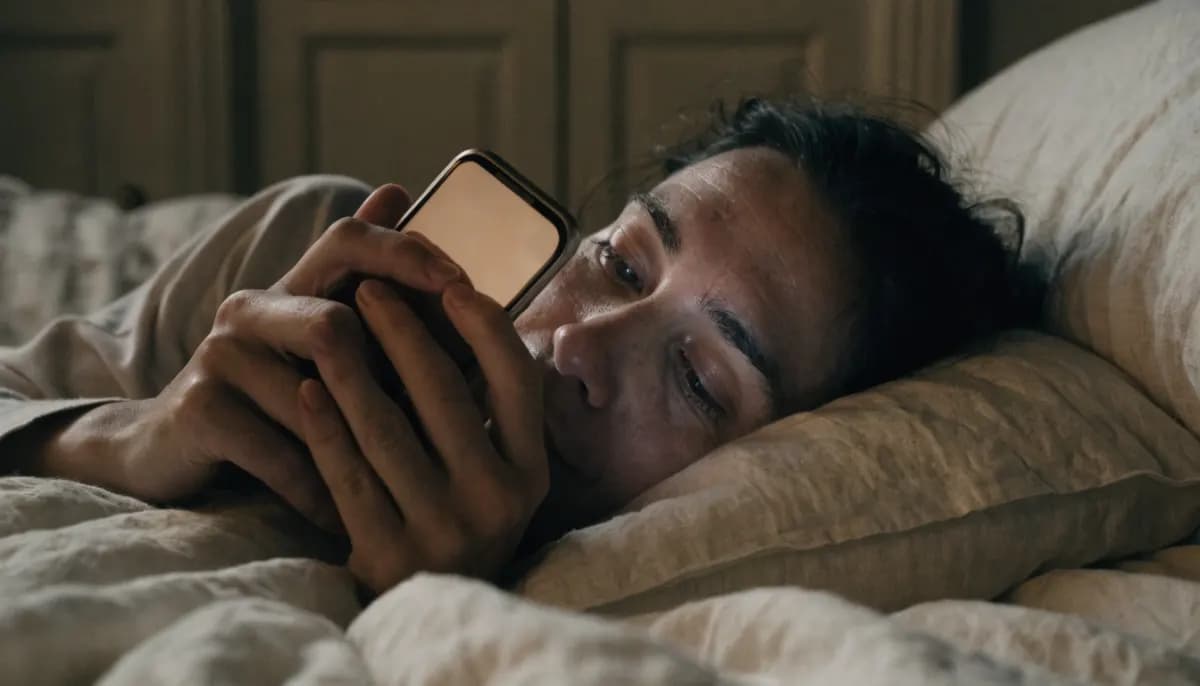
Short videos aren’t harmless fluff. They train your brain’s reward system to crave novelty and bail on effort. Here’s what’s happening and how to reset.
You open your phone to check a text and your thumb moves before you decide anything. Three clips later you don’t remember the first one, but your thumb keeps flicking like it has its own lungs.
This isn’t you being weak. It’s a training loop. Short video gives real dopamine for tiny effort, and your brain is good at learning what pays.
what “brain rot” really means
“Brain rot” isn’t a diagnosis. It’s the lived experience of shredded attention. You stare at a pot on the stove and reach for your phone in the ten seconds it takes to heat. You start a paragraph and bounce. You sit in a quiet room and feel an itch behind your face that only a new clip scratches.
Dopamine isn’t a pleasure juice. It’s a teaching signal. It tags what was just happening as “worth doing again.” The more tightly you pair a simple behavior with a sharp dopamine rise, the more your brain automates it. Thumb. Flick. Reward. Repeat.
Short video hits this loop perfectly. You don’t need to hold a plot. You don’t need to tolerate setup. You’re fed punchlines, jump cuts, outrage, face-to-camera confessions, on-screen text, stingers. Each micro-payoff trains your system to expect novelty on demand and to exit anything that takes warm‑up.
The hidden cost shows up elsewhere. Spreadsheets feel heavier. Books feel slower. Walks feel empty unless you’re also mainlining audio. It’s not because those things got worse. Your reward system got retuned to a channel with zero static.
why short video hits so hard
Your brain predicts. When the world does something better than predicted, dopamine spikes. That spike doesn’t just feel good. It stamps in the behavior that produced it. Short video is engineered around that surprise gap:
- The next clip is unknown. Variable reward outcompetes guaranteed reward. Your brain stays in “one more” mode because the next one could be perfect.
- Novelty is dense. Every few seconds there’s a new face, camera angle, caption, sound. That’s a prediction-error buffet.
- Effort stays near zero. No search, no setup, no thinking. High reward with low cost trains faster than high reward with high cost.
- Social cues light you up. Eye contact on a six-inch face, voice warmth, insider jokes. Your brain treats it like a room full of people who all want you there.
This doesn’t “deplete” dopamine. You didn’t use up a tank. What changes is salience. Spiky, frequent hits shift your sense of what counts. Slower, subtler rewards start to feel like silence. Your threshold for engagement drifts upward, so you bail sooner on anything that asks you to stay through a dull first minute.
how it shows up in your day
- Phantom thumb. You catch yourself flicking on non-scroll screens. Your hand twitches toward the phone during dead air.
- Thought shards. You remember a joke, not who told it. You know you watched something “useful” and can’t apply a single part without rewatching.
- Patience tax. Microwave minutes feel intolerable. Loading bars invite a scroll hole. You plan to rest and wake up wired.
- Conversation drift. Someone talks and your brain seeks highlight reels in their story. You jump to punchlines or interrupt to escape the slow bits.
- Flat joy. The activities that used to light you up feel gray unless you add a second screen. Food is fine, unless there’s a video.
- Sleep creep. You mean to stop. You don’t. The bed becomes a charger dock for both battery and feed.
You’re not lazy. You’re well-trained.
You’re not weak; you’re well-trained — by a feed that never needed you to finish a thought.
reset without the nonsense
You don’t need a monk fantasy. You need to change the inputs, add friction, and retrain what your brain tags as “worth it.” A few principles carry the weight:
- Replace, don’t just remove. If you rip out short video and leave a hole, the hole wins. You need alternate rewards with a curve: movement, making things, long-form that pays you back after minute five.
- Add friction to fast dopamine. If it takes six extra seconds to reach the feed, your prefrontal cortex gets a vote.
- Train boredom tolerance like a muscle. You don’t need to love boredom. You just need to survive the first two minutes without reaching for a slot machine.
- Make rules that the environment enforces. Willpower is a short-term tool. Architecture is long-term.
a 7‑day playbook
1) Strip the slot machines. Sign out of TikTok, Reels, Shorts. Delete the apps or at least bury them. Remove “Discover/For You” tabs where possible. Turn off all badges and push alerts. Put the phone on grayscale to dull the candy coating.
2) Bound the mornings. No phone for the first 60 minutes after wake. Put it in another room. Make a first-thing ritual that isn’t digital: kettle, stretch, sunlight on your face, three pages of anything. Your brain learns what mornings are for.
3) Give your brain a worthy meal. Schedule 30 minutes of one long-form thing each day. One podcast episode, one lecture, one chapter, one documentary segment. No multi-tasking, no speed. Stay with the boring first five minutes. That’s the rep.
4) Do boredom reps. Three times a day, do two minutes of nothing. Set a timer. Sit or stand. No phone, no sound. Notice the itch rise and fall. Add a minute each day. You’re teaching your nervous system that quiet doesn’t kill you.
5) Fence your scroll. If you keep short video, confine it. One fixed 15‑minute window, standing, with a hard stop alarm. No “just before bed.” If the alarm goes off mid-clip, stop mid-clip. You break the finish‑seeking loop on purpose.
6) Make your phone a tool, not a toy. Home screen: maps, messages, camera, calendar, notes. Everything else on page two or in a folder named “Friction.” Use website versions for time‑sinks so they feel clunkier. Log out after each use.
7) Choose a slow hobby with receipts. Something that shows progress you can see or touch: lifting, cooking, drawing, language flashcards, woodworking, gardening. Track streaks. Your brain needs to catch you winning at hard things again.
Expect agitation around day three. Your thumb will negotiate. Expect a weird quiet by day five. By day seven, long paragraphs feel less hostile. Keep going another week and you start craving depth again.
a few tactical tweaks that punch above their weight
- Big screen rule. Watch video only on a TV or laptop, never on the phone. The friction trims impulse and the bigger screen nudges you toward longer content.
- Separate beds. Phone sleeps in the kitchen. Buy a $10 alarm clock. Put the charger far from the couch.
- One-tab life. On your computer, one tab per task. Close when done. Your brain stops scanning for alternate treats.
- Batch your novelty. Instead of grazing all day, have a set time to explore new creators or topics. Outside that time, consume from a small, intentional list.
- Finish lines. Prefer content with an end. A movie beats a feed. A thread with ten posts beats an endless scroll. Your brain needs closure reps.
- Social on purpose. Call a friend. Walk and talk. Group your social energy into human-time instead of micro-interactions.
what about “dopamine detox”
You don’t need to fear dopamine. You need to respect how fast your brain learns cheap wins. The goal isn’t zero stimulation. The goal is a saner ratio: fewer spikes, more steady payoffs, longer arcs. When you stack small, honest effort and then reward it, dopamine does its real job: it keeps you coming back to your actual life.
You’ll miss the rush. That’s normal. Your system has been eating frosting by the spoon. Switch to meals and the first week tastes dull. Then your palate wakes up. You notice details again. A book feels like a room you can enter. Music sounds layered. A walk is not a loading screen; it’s a thing.
Put the phone in a bowl on top of the fridge at 9 p.m. Boil water. Stand there and do nothing while it heats. Hear the click as it settles. Make tea and finish a chapter, not a reel. Your brain remembers how to stay.
These articles are for self-understanding, not crisis. If you’re in active distress — Get help now →